Chimney & Fireplace
Plan a sweep
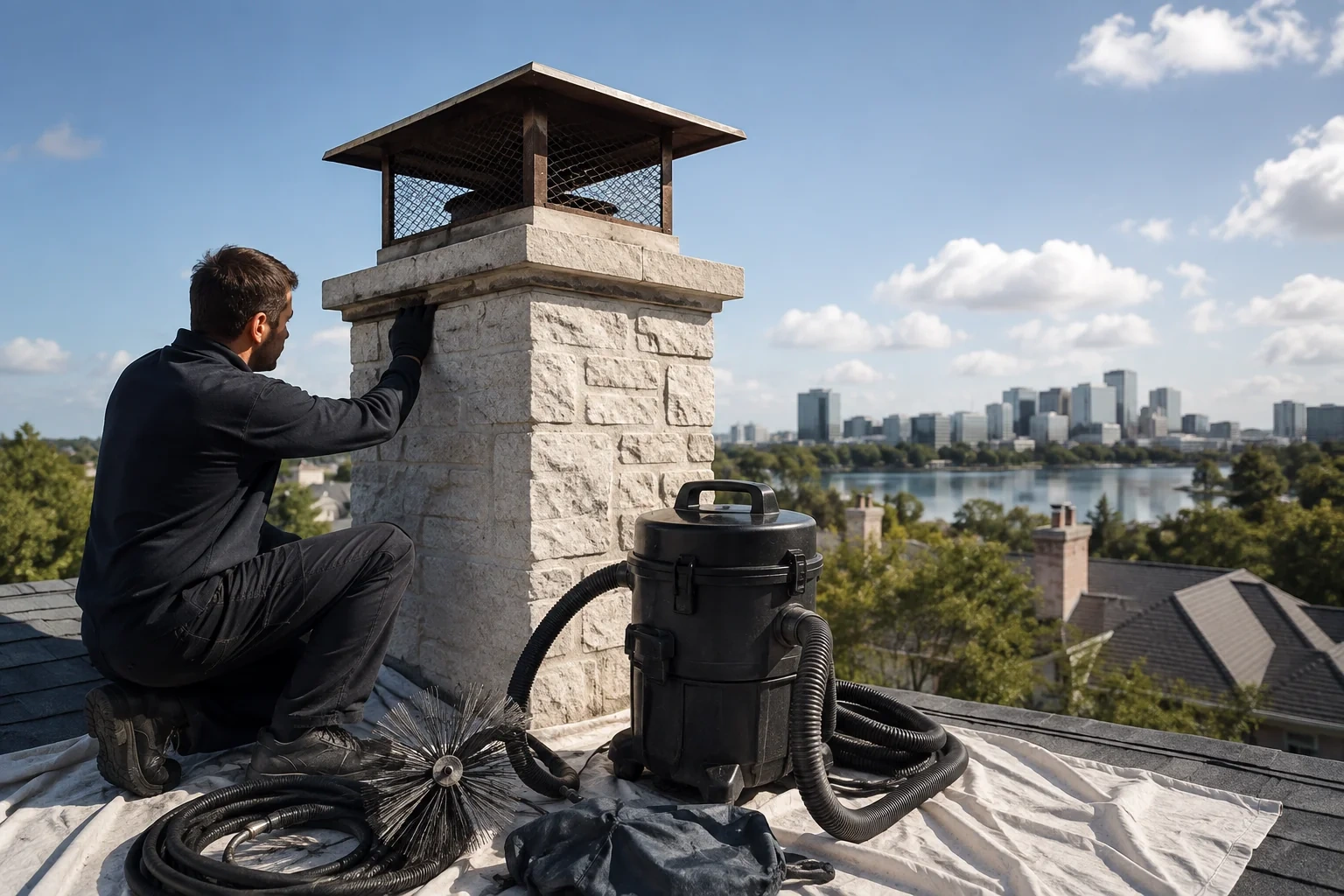
Clarify the cleaning scope and whether inspection is included.
Explore the service ↗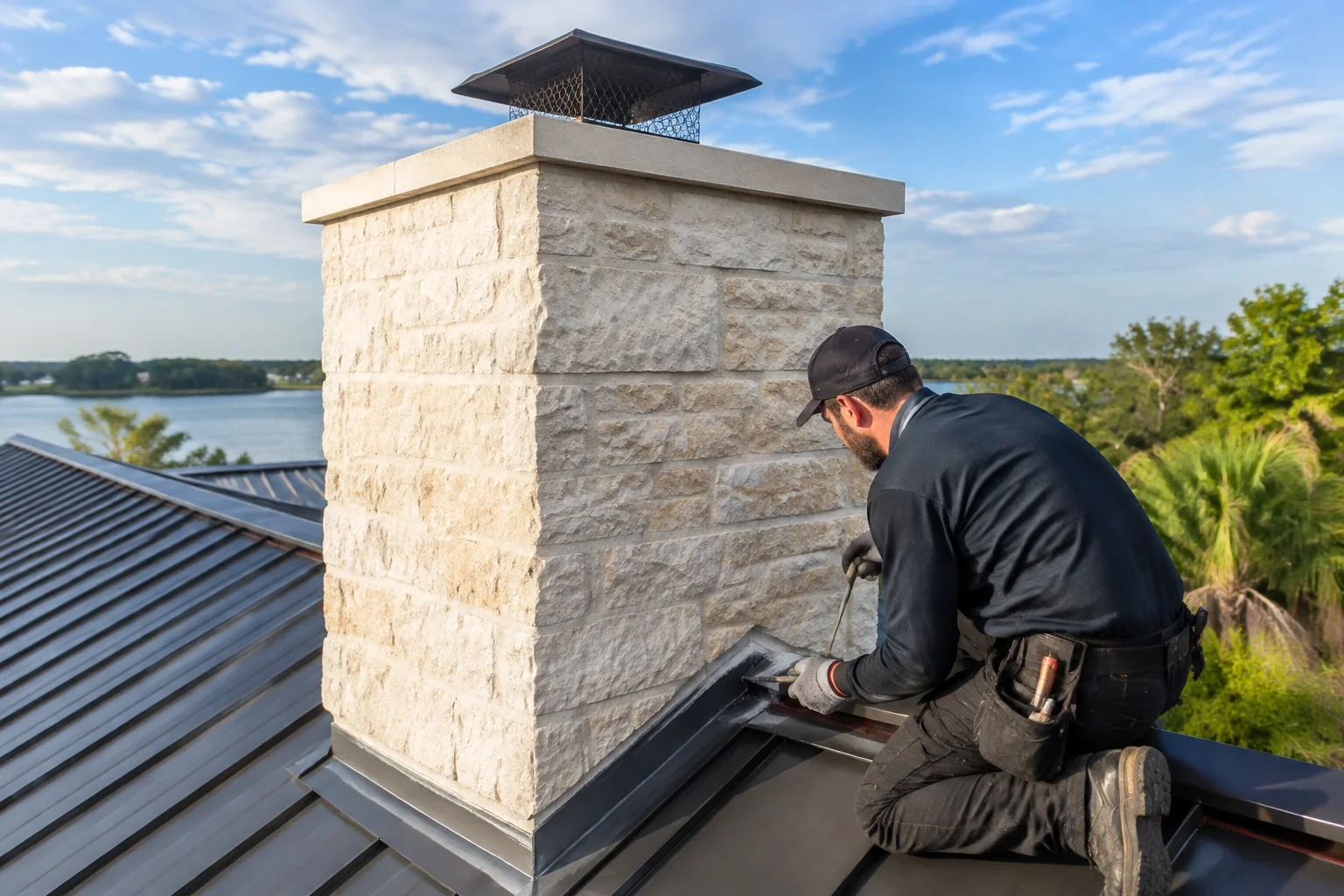
The RoadsChimney & Fireplace
Find guides for the exterior chimney and the components within it. Compare inspection access, documentation and repair materials as part of the proposed scope.
(786) 565-3823Chimney & Fireplace
Clarify the cleaning scope and whether inspection is included.
Explore the service ↗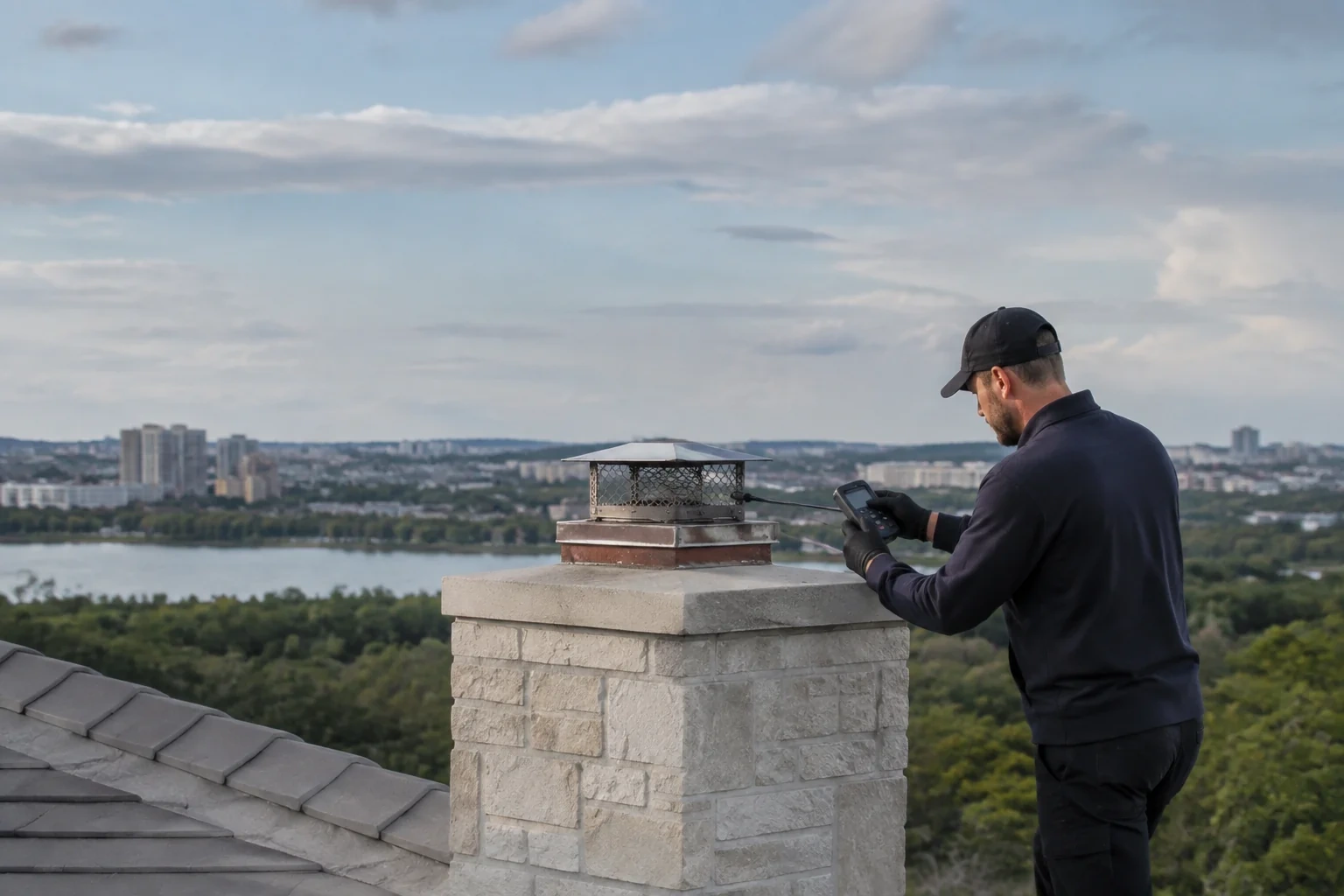
Chimney & Fireplace
Describe the appliance, timing and any recent changes.
Explore the service ↗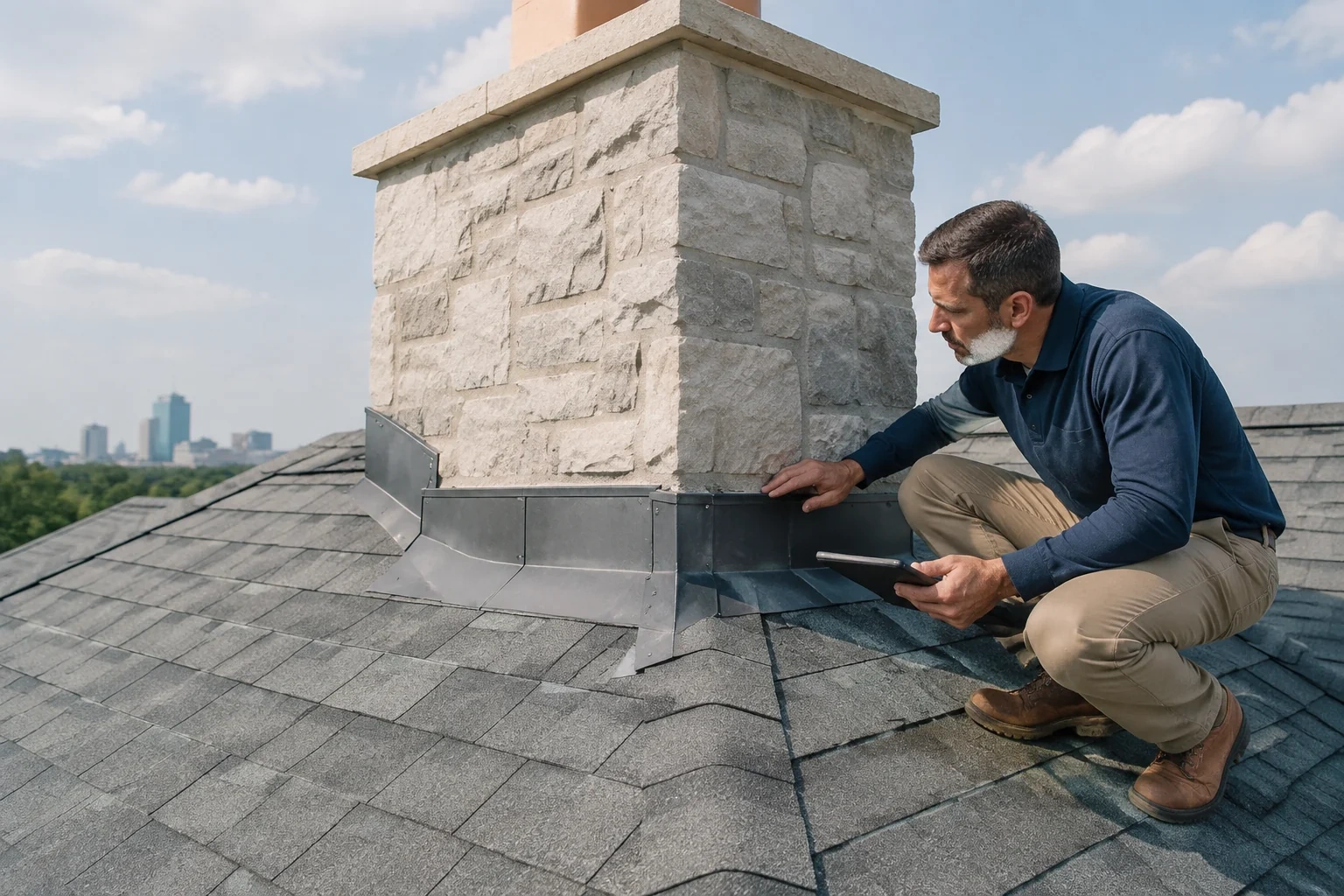
Chimney & Fireplace
Describe where water appears; the source needs assessment.
Explore the service ↗A closer look
Before the visit
The Roads
Explore the services for your property and confirm your address when you call.
Miami-Dade County's permit guidance states that any owner, authorised agent or contractor who wants to construct, enlarge, alter, repair, move or demolish a building or structure, or to install, alter, repair, remove, convert or replace any electrical, gas, mechanical or plumbing system regulated by the technical codes, must first submit an application and obtain the required permit for the work. The county adds that its own process is solely for properties with folios that start with 30, meaning unincorporated Miami-Dade County, and that each municipality has its own building official who issues permits within that city limits. Inspection and sweeping are not construction, but rebuilding, relining, liner or damper replacement, firebox work and appliance installation can be. Confirm the address, the proposed scope and the applicable review with the City of Miami; neighbourhood names do not always follow city limits, so check which building department covers your address.
Source for planning your work ↗Florida law requires that every separate building, or addition to an existing building, constructed on or after 1 July 2008 that has a fossil-fuel-burning heater or appliance, a fireplace, an attached garage or another feature that emits carbon monoxide as a byproduct of combustion have an approved operational carbon monoxide alarm installed within 10 feet of each room used for sleeping purposes, or at other locations required by the Florida Building Code. The statute states that this does not apply to existing buildings undergoing alterations or repairs unless the alteration is an addition. Raise carbon monoxide alarm placement when fuel-burning appliance or flue work is being discussed, and confirm the current text of the statute and what applies to your building.
Source for local context ↗Area-wide context is not a finding about your own property.
Before you decide
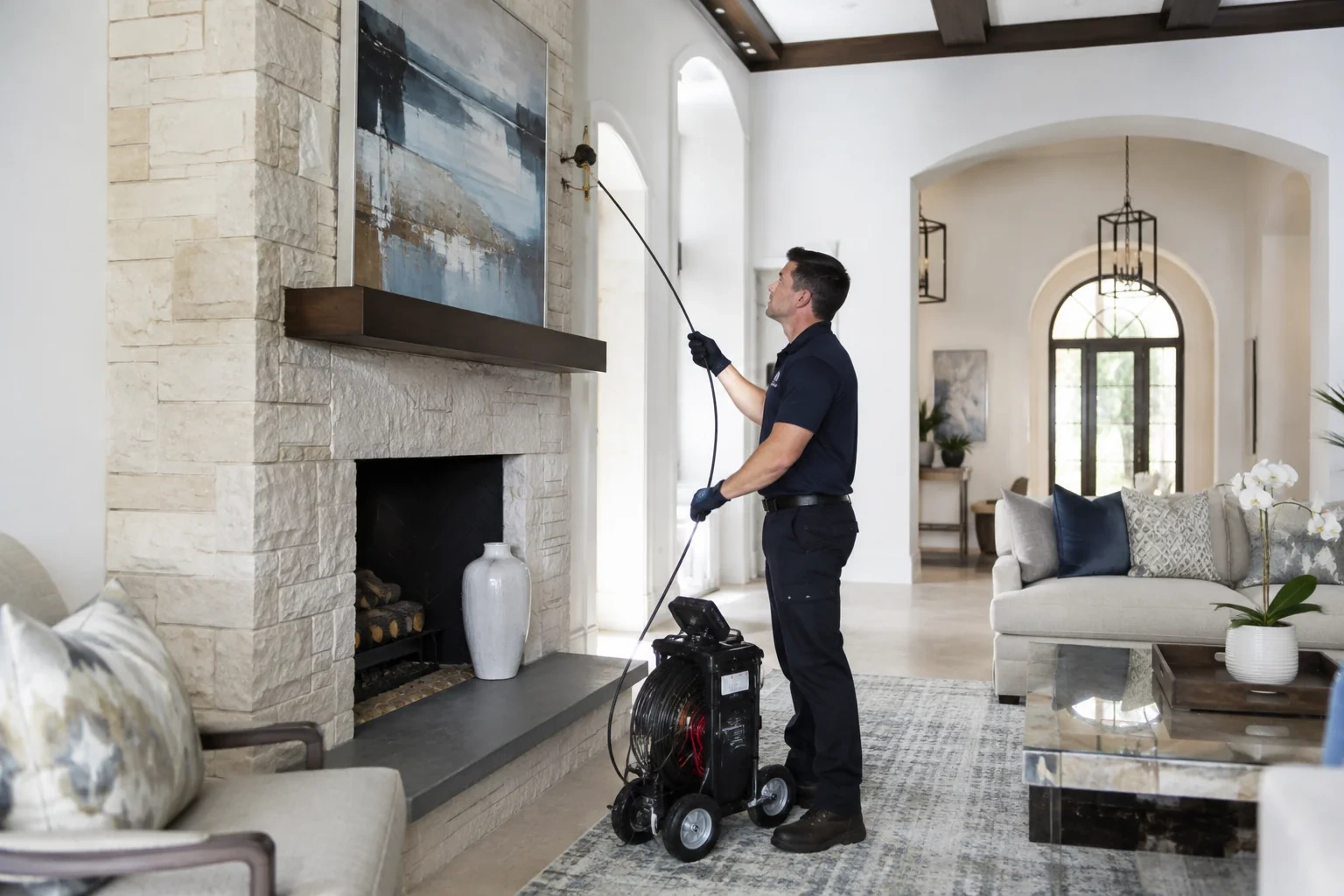
An inspection assesses accessible components and documents findings; sweeping removes deposits within the agreed scope. One does not automatically replace the other. Ask which inspection is proposed, what can be accessed, whether cleaning is included and what written findings you will receive.
Describe the fireplace or appliance, its fuel type, recent use and any changes you have noticed. Mention previous repairs, water entry or a planned appliance change. Gather available service records and explain access restrictions. These details help define the visit without assuming what the chimney needs.
A cap is one possible part of the assessment. Water may also enter around flashing, masonry joints or the crown. Ask what evidence supports the proposed repair and which area it addresses. A clear scope distinguishes a cap replacement from work elsewhere on the chimney.
Ask for the areas examined, access limitations, photographs of relevant findings and the recommended next steps. The report should distinguish observed conditions from areas that were not visible. Use those findings to discuss repair options rather than treating a general service description as a diagnosis of your property.
Compare the exact area and type of work: mortar joints, crown, flashing, liner or other components are different scopes. Ask about preparation, materials, access equipment and cleanup. If a proposal changes after inspection, request the reason and revised scope before agreeing.
Tell us what you need looked at and we will call you back.